Musicians' Park: A Cultural Bridge Between Georgian and World Legends
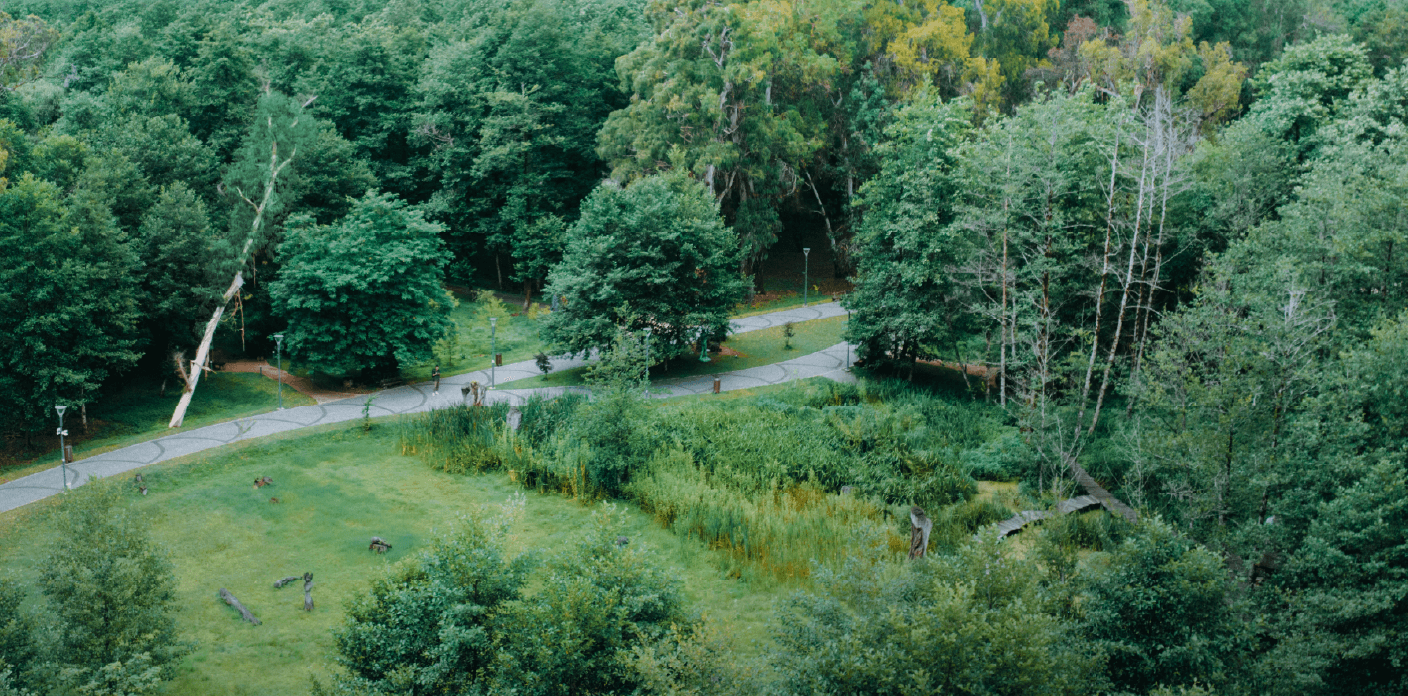
When we speak of the Starring Georgia ecosystem, what typically comes to mind are large-scale art venues and concert experiences. However, Musicians' Park situated by the Black Sea coast is truly an exception - a space where art, recreation, and a close connection to nature unite in one location.
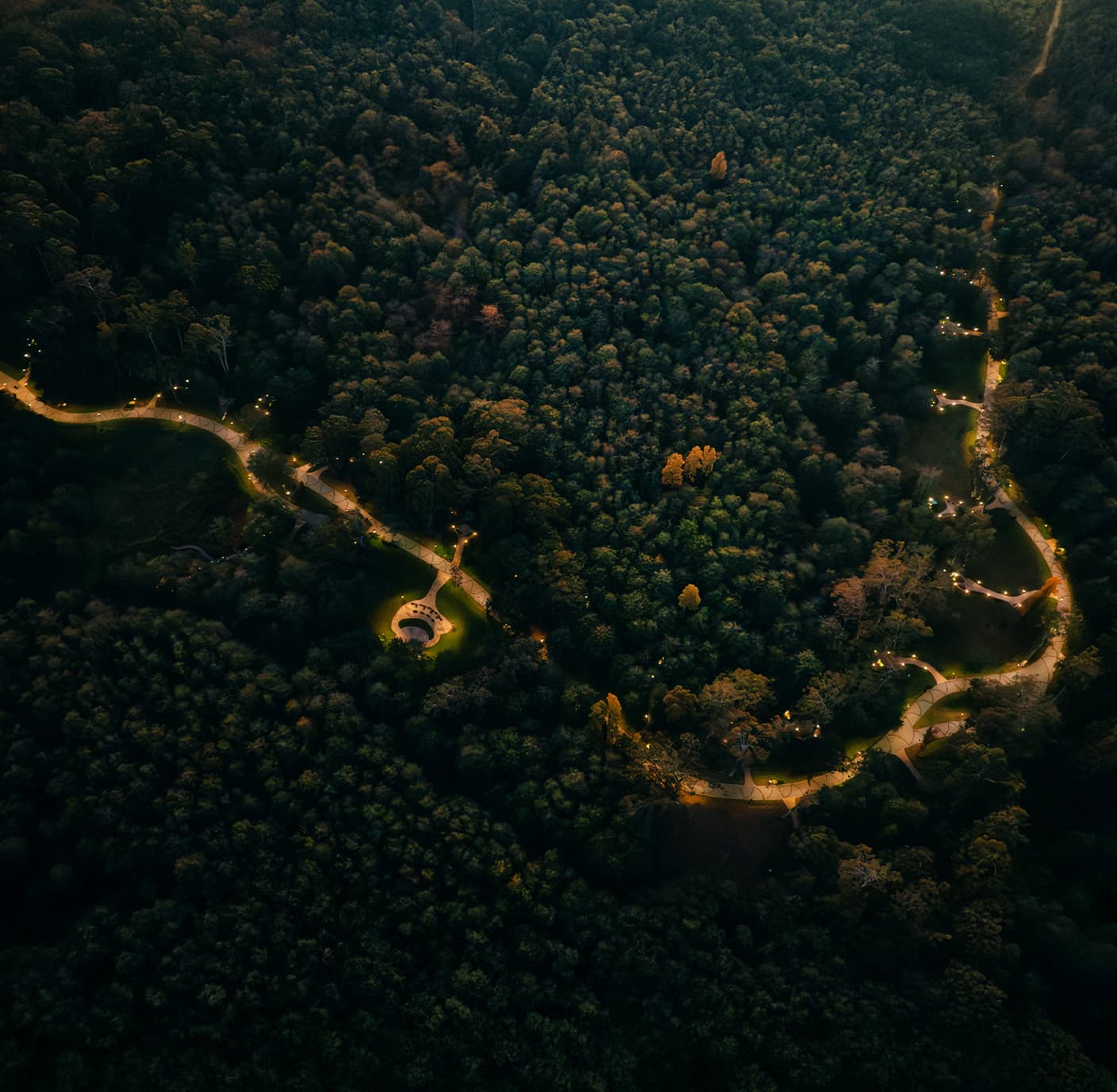
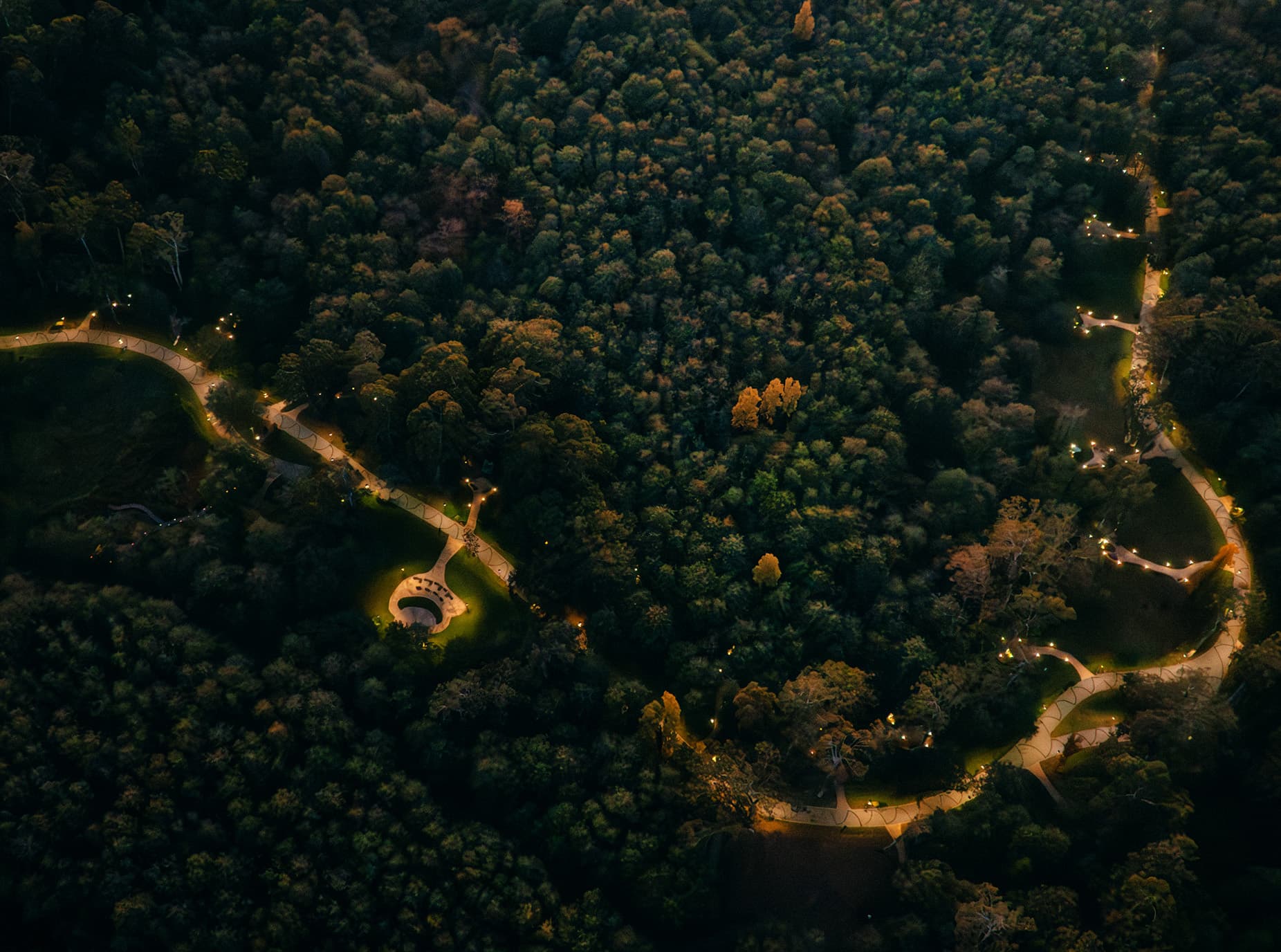
Musicians' Park encompasses a 21-hectare recreational zone on Black Sea Arena grounds. This is an art space where unique species of perennial plants, cozy pathways, and resting areas come together to create a unified ecosystem.
Yet the park's main appeal lies in its multifunctionality: three open-air stages and The Social Space housed here allow performances and cultural events of various scales to take place in the heart of nature.
At the heart of the park stands a special square where monuments to Georgian and world music legends are located. Each sculpture is more than frozen art - for park visitors, approaching them is an interactive experience that allows not only viewing but also listening to masterpieces.
Beyond the immediately apparent benefits and what the park offers its visitors, its concept encompasses many more interesting details and ideas. The purpose of this text is to acquaint you even more closely with all of this.
Music History Under the Open Sky
For this reason, every statue you encounter in Musicians' Park represents not merely visual material but introduces you to music and provides multimedia information about the artists themselves. This approach is no coincidence - without understanding the context and historical background, it is impossible to appreciate a work of art fully.
With this in mind, we can say that the park has interestingly embraced its educational role. This is a space where, within a unified ecosystem, we can get to know the musicians, listen to their works, and share in the history that preserves this universal language of art for generations.
Heroes and Founders of Georgian Music
It is also significant that Musicians' Park dedicates space to both pioneers of Georgian opera and folklore legends, as well as giants of world popular music. One such paramount figure whose sculpture you will encounter here is the folklorist Filimon Koridze.
It can be stated with confidence that Filimon Koridze was the first Georgian professional singer and one of the founders of Georgian operatic art. He made an enormous contribution to the collection, recording, and dissemination of Georgian folk songs and chants. Between 1864 and 1872, he mastered vocal art in Milan under F. Ronconi. During the same period, Koridze appeared before La Scala audiences several times and earned significant recognition from the Italian press.
In 1893, he traveled to Ozurgeti to record sacred songs, where he stayed for over a year and compiled 12 extensive albums totaling 5,532 hymns. Filimon Koridze was the first Georgian musician to transcribe Georgian polyphony into musical notation. His invaluable manuscripts are preserved today at the National Centre of Manuscripts.
Here we also encounter another luminary of Georgian operatic art, the singer recognized as "Georgia's Nightingale" - Vano Sarajishvili. It is no secret that he performed with equal mastery the romances of Georgian and Russian composers, as well as Georgian folk songs and Neapolitan melodies. His talent easily transcended the country's borders: in 1903, the young singer traveled to St. Petersburg, where he made his debut in G. Verdi's opera "La Traviata." Simultaneously, under Castellano's guidance, Sarajishvili was mastering the art of bel canto in Italy and performing in various cities across the country.
Vano Sarajishvili is considered one of the founders of Georgian professional vocals. It is precisely due to the significant contributions that in 1947, the Tbilisi State Conservatory was named after him.
Another artist of particular significance to the Guria region is Viktor Dolidze. He was born in Ozurgeti in 1890, and Musicians' Park would be unimaginable without his sculpture.
A special place in Dolidze's works belongs to the opera "Keto and Kote," a classic example of Georgian comic opera. Its premiere took place on December 11, 1919, and since then, the work has enjoyed unwavering success.
It is noteworthy that in 1937, this opera was presented at the Decade of Georgian Art and Literature in Moscow and later performed at the stages of numerous opera houses. It was precisely based on Viktor Dolidze's masterpiece that the feature film "Keto and Kote" was created, which is preserved in the golden fund of Georgian cinematography.
When speaking of classical composers, we cannot bypass Revaz Laghidze - the composer whose "Tbiliso" remains one of Georgia's main calling cards to this day.
However, it is important to remember that the composer born in Baghdati worked with equal success across various musical genres. Initially, Revaz Laghidze played violin in symphony orchestras, and later he headed the Music Department at the Tbilisi Pedagogical Institute, where he engaged in fruitful pedagogical work.
Another distinguished "host" of Musicians' Park is the renowned Georgian conductor, composer, and singer Jansug Kakhidze. A special place in his creative output belongs to his work in film and theater, where he created numerous immortal melodies.
In 1957, he founded the first vocal ensemble "Shvidkatsa" in Georgia, which was followed by a very productive period in his compositional career. Although Jansug Kakhidze considered himself first and foremost a conductor, his songs had a profound influence on his development as a multifaceted musician.
The legendary singer, recognized as the Voice of Georgia, deserves separate mention: Hamlet Gonashvili. Many do not know that his exceptional musical talent was discovered by the rector, Mikheil Kveselava, while he was studying at the Theatrical Institute.
In 1953, he became the lead soloist of the Georgian State Ensemble of Song and Dance, and from 1969, he joined the ensemble "Rustavi." The ensemble's repertoire was often built around Hamlet's persona, as his unique vocal timbre always attracted special attention.
Today, Hamlet Gonashvili's voice is becoming even more popular abroad - foreign directors frequently use his "Urmuli" and "Orovela" in films and mass spectacles as a unique manifestation of the human voice's capabilities.
World Music Legends and Global Scale
His works are best known for instrumental pieces such as "The Art of Fugue," "Brandenburg Concertos," and "Goldberg Variations." His vocal works are also of immense significance, including "St. Matthew Passion" and "Mass in B minor."
Bach, who is considered the pinnacle of polyphonic music, crowns the musical art of the post-medieval era while simultaneously giving rise to entirely new directions. His figure at the park's entrance is symbolic - he is the foundation upon which the musical thinking of all subsequent centuries was built.
Park visitors particularly love seeing the sculpture of the greatest tenor of all time, Luciano Pavarotti. He is rightfully considered one of the most successful opera singers, whose work is especially appreciated even in the world of popular music.
One of the most famous chapters of his career is the "Three Tenors" project, which he created together with Placido Domingo and Jose Carreras. It was precisely this trio that had the honor of opening the 1990 FIFA World Cup in Italy.
Pavarotti also made a name for himself through his charitable work and collaboration with the Red Cross, helping refugees from various countries.
The final years of his career were closely linked to the "Pavarotti and Friends" project, during which he performed alongside world-class artists from various genres. Throughout his musical career, Luciano Pavarotti won six Grammy Awards, a testament to his tremendous professional recognition.
Fans of popular music can also see their idols in the park, and first on this list is, of course, The Beatles. Comprising John Lennon, Paul McCartney, George Harrison, and Ringo Starr, this Liverpool quartet sparked a true revolution in the musical world in just about one decade.
Having formed under the influence of 1950s rock and roll, the band gradually enriched its repertoire with psychedelic sounds and rock music elements, thereby laying the foundation for a new cultural phenomenon - "Beatlemania." In total, The Beatles' catalog includes 13 studio albums and countless compilation recordings that have had an enormous influence on the development of popular music. According to 2013 data, the band has sold over 800 million digital and physical records, making them the best-selling band of all time. It is noteworthy that on UNESCO's initiative, the world celebrates "Beatles Day" every January 16th.
If your taste leans more toward jazz, your heart will naturally draw you first to Louis Armstrong's sculpture. His creative career spans five decades, and this period is considered vitally important for the development of jazz.
Louis Armstrong was born and raised in New Orleans, known as the jazz capital, and was active on the musical scene from the 1920s. Thanks to his exceptional talent and stage charisma, he established himself easily on stage.
Moreover, he became the leading musical figure of his generation, defining the future of jazz forever. Armstrong's improvisational talent and unparalleled performance technique always attracted special attention. He never stopped his relationship with music until the last moment of his life, and his concerts were always a true celebration for audiences.
If you are interested in artists from the "Golden Age" of American music, then Frank Sinatra's sculpture is the first one you should visit. He was not only a singer but also an actor and producer, rightfully named among the most influential artists of the 20th century. With over 150 million records sold, Sinatra is one of the most successful performers of all time. His musical career was remarkably productive, as evidenced by his 59 studio albums and nearly 300 compositions.
In 1953, Sinatra also tried his hand at film, appearing in "From Here to Eternity," which earned him both an Oscar and a Golden Globe. After this, he appeared more and more frequently in Hollywood films and musicals. Beyond the aforementioned recognition, during his career the American artist earned 11 Grammy figurines and was named among Time magazine's most influential people of the 20th century.
Environmental Responsibility: Art and Nature in One Rhythm
It is essential to remember that the 21-hectare recreational zone of Musicians' Park is more than just a place to rest—it carries a significant educational function. This is precisely why, within the Starring Georgia ecosystem, the park actively initiates various eco-projects both in the physical space and the digital world to promote environmental awareness. One of the most impressive parts of this process is the park's private greenhouse, where hundreds of new seedlings thrive every year. These plants are fully cultivated by local gardeners and are planted throughout the park every spring, ensuring a continuous cycle of life.
The idea of caring for the environment actively continues in digital campaigns, where the park encourages visitors to create an eco-friendly environment. For this, it continuously tries to raise eco-awareness through various types of campaigns. Environmental responsibility does not only apply to plants—through the "Feed" campaign, the park also cares for homeless animals in the Guria region. In partnership with friend companies, hundreds of kilograms of food are allocated for four-legged friends during the coldest seasons, highlighting the park's mission to be a caring environment for all.
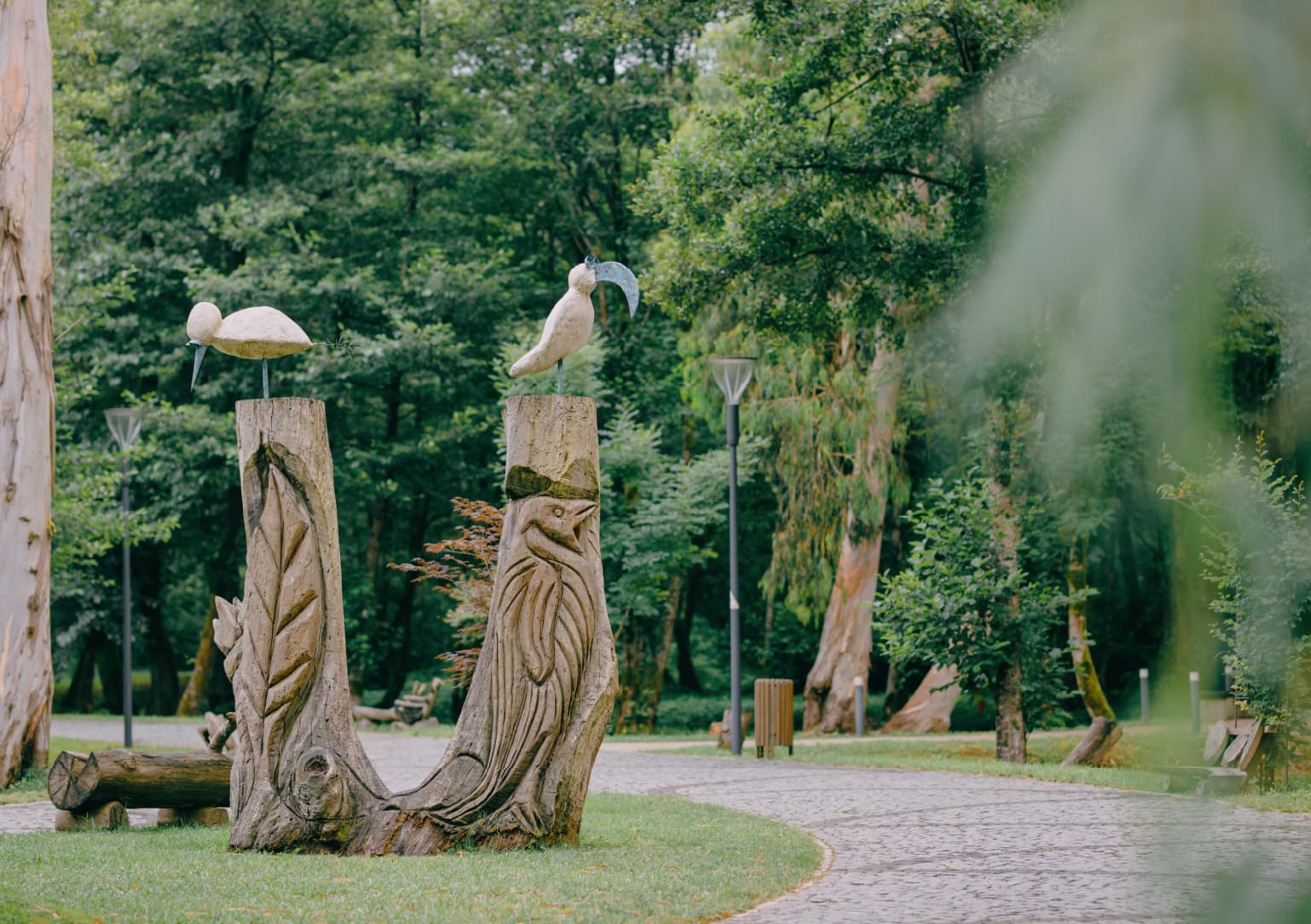
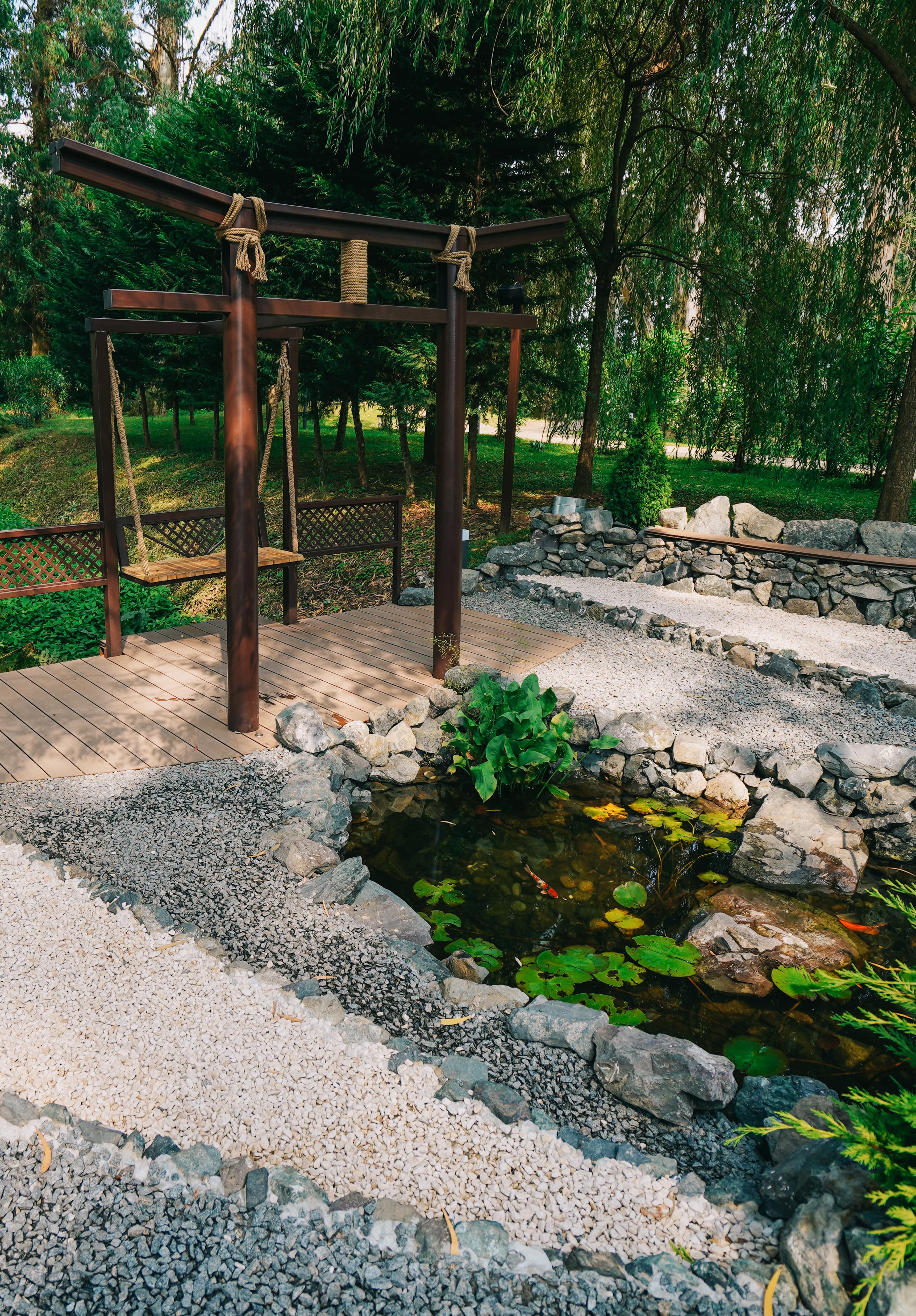
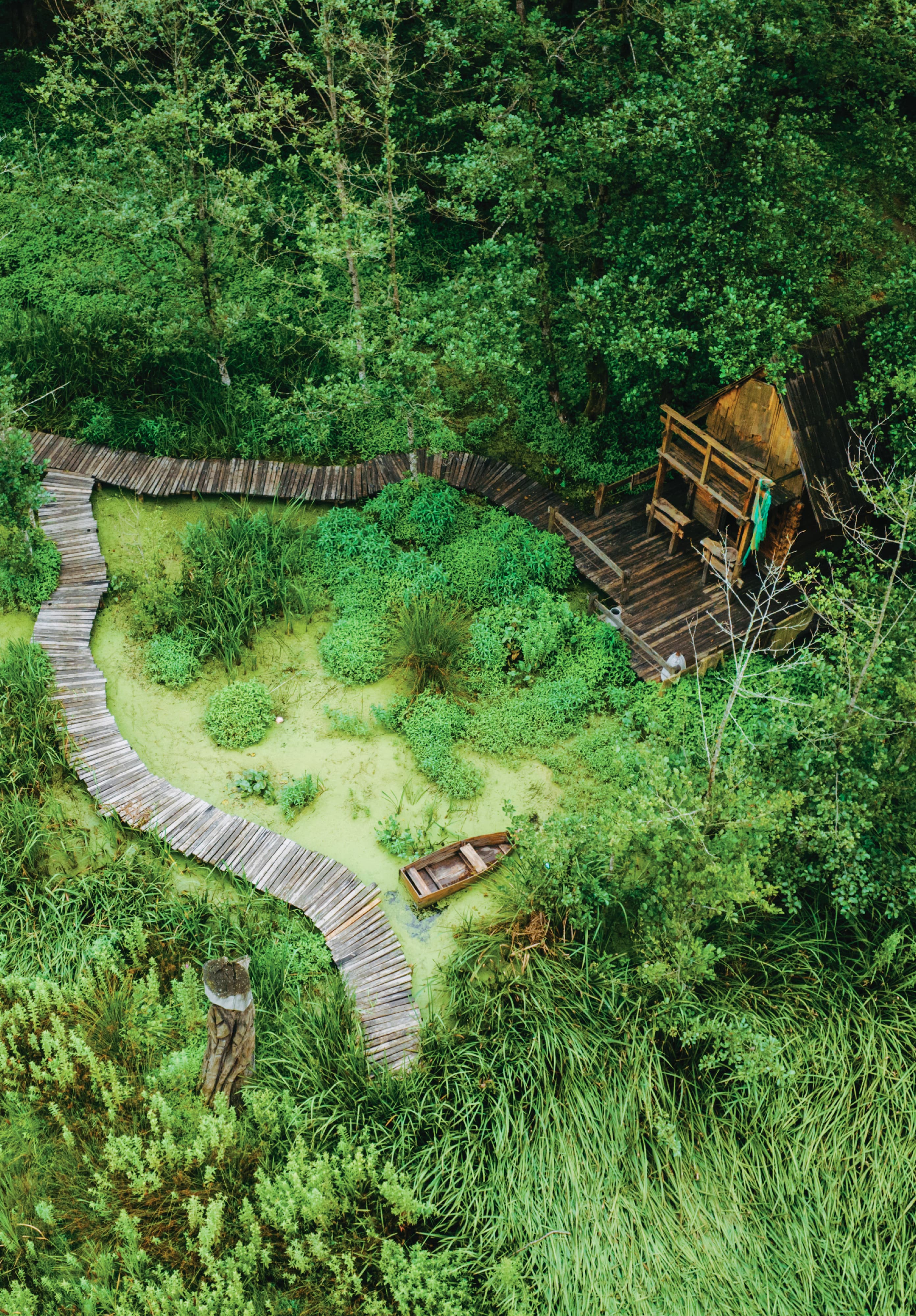
The principle of sustainability is also creatively reflected in the park's infrastructure and art objects. Throughout the territory, you will encounter sculptures crafted from fallen trees, giving natural materials a second life and creating an example of zero-waste art. Beyond the musical square, the park offers visitors interactive zones for a direct connection with nature, such as the oasis of tranquility—the Koi Garden, as well as the Fisherman's Hut and the Dragon's Nest. Each of these installations simultaneously represents a recreational space and an educational initiative, helping visitors draw closer to nature and develop a greater sensitivity toward natural resources. This comprehensive approach clearly demonstrates that Musicians' Park is a living organism where art, human care, and ecology perfectly complement one another.
The diversity and multifunctionality of the sculptures clearly demonstrate that Musicians' Park is a meeting place for people of different generations, musical genres, and artistic ideas. This type of universal space adds a special charm to the Black Sea Arena ecosystem and has become one of the main tourist destinations in Shekvetili.
No matter what brings you to the Gurian coast - "meeting" your favorite musicians, strolling along park pathways surrounded by unique plants, and the experience of connecting with musical history are impressions you should by no means miss. This is a place where every step opens a new melody and story for you.